We earn commissions from brands listed on this site, which influences how listings are presented

Construction Project Management Software UK: Complete Guide & Top Tools

A verified, data-driven guide to choosing the right CRM — based on 2025 benchmarks and real ROI insights.

Data-Driven Insights

Based on benchmark tests from Tech Verifiers Labs 2025

Expert-Verified

Reviewed by independent CRM specialists

Real ROI Data

Evaluated across 20+ SaaS platforms

Key Takeaways

New Guide: Compare 500+ SaaS tools with AI-powered recommendations. Learn more

What Is a CRM (and Why You Need One)

In this section

A clear definition of what a CRM is and its core purpose in a modern business.

Managing construction projects across the UK has become far more efficient with the rise of specialised digital tools. Construction project management software gives teams a single platform to plan schedules, control costs, track progress, and collaborate in real time. It helps project teams in the UK deliver work on time, stay within budget, and maintain quality across every stage of construction.

A team of construction managers and engineers working together with digital screens showing project plans and 3D building models, with a UK construction site in the background.

These platforms improve communication between contractors, subcontractors, and clients by keeping all documents, updates, and plans in one place. Options such as Procore and Buildertrend enable seamless coordination from design through to delivery, reducing manual tasks and costly errors. Many also integrate with accounting, HR, and workflow systems to automate routine work and enhance visibility.

Whether managing housing projects, large commercial builds, or public infrastructure, the right software supports better decisions and smoother operations. By choosing a reliable and intuitive platform, construction businesses in the UK can gain a strong competitive edge.

"A CRM isn't just software—it's the foundation of scalable customer relationships. Companies that implement CRMs see 41% more revenue per salesperson within the first year."

— Sarah Chen, VP of Sales Operations at TechScale Inc.

What Is Construction Project Management Software?

Construction project management software provides tools that let companies plan, coordinate, and control every stage of a construction project. It helps manage timelines, track budgets, share documents, and maintain communication among contractors, architects, and clients. The software enhances accuracy and accountability across large or small projects, making it a key part of modern construction practices in the UK.

Core Features and Functionality

Most platforms include project schedulingbudget tracking, and document management. Tools like Gantt charts and task lists allow teams to assign roles, monitor progress, and meet deadlines. Real-time dashboards give clear visibility into project costs and resource use.

Collaboration tools are also essential. These systems integrate messaging and file sharing so that updates reach every team member instantly. Cloud access means project managers and site teams can connect from anywhere, reducing delays.

Advanced systems, such as those reviewed in the Freemont Building 2025 guide, also use AI and automation for predictive analytics and error detection. This helps identify schedule risks and improve decision-making accuracy before costly issues arise.

Types of Construction Software Solutions

Construction software products vary, but most fall into categories tailored to company size and workflow needs. Cloud-based software hosts data online and supports remote access, while on-premises software runs on local servers, giving firms full control over data security.

Some tools focus on specific tasks like budgeting or field coordination, whereas others offer a full integrated project management system that covers planning to invoicing. Examples include large-scale platforms such as Autodesk Construction Cloud and Procore for enterprises, and flexible solutions like Buildertrend for smaller contractors, as noted by SoftwareSuggest’s UK comparison list.

The table below highlights typical distinctions:

TypeBest ForKey Advantages
Cloud-BasedSmall to mid-sized firmsLower upfront cost, easy scaling
On-PremisesLarge organisationsGreater control, enhanced security

Benefits for UK Construction Firms

UK construction firms gain measurable improvements in accuracy, coordination, and cost control when adopting project management software. Centralised data replaces spreadsheets and manual paperwork, cutting administrative time.

Real-time financial tracking helps monitor budgets and profitability. Teams can flag overages early, maintain compliance with UK regulations, and manage safety documentation digitally.

Collaboration between field and office staff improves through mobile access and integrated communication. As discussed by Fieldwire’s UK guide, mobility ensures that site managers can upload photos, update tasks, and review plans without leaving the job site.

Over time, these efficiencies lead to faster project delivery, improved quality control, and stronger profitability across the entire construction lifecycle.

Expert Insight:

A CRM transforms scattered data into a unified asset. This 'single source of truth' is the engine for personalized customer experiences and predictable growth.

Key Benefits for Small Companies

A well-chosen CRM helps small businesses work smarter. It improves customer retention, reduces lost leads, and supports more accurate sales forecasting. By automating repetitive tasks, it frees staff to focus on service and growth.

Key benefits include:

  • Better organisation of contact and sales data
  • Improved communication across teams
  • Faster response times for customer queries
  • Data-driven insights for smarter decisions

According to CRM.org, modern systems also offer built-in analytics and automation tools that help small companies compete effectively with larger firms.

The Hidden Costs of Poor CRM Management

Many small businesses underestimate how much poor CRM management can cost them. When customer data is scattered across spreadsheets, inboxes, and disconnected tools, teams waste valuable time and lose potential sales opportunities. Inefficient CRM practices- like outdated records, missing follow-ups, and inaccurate data – can quietly drain both time and revenue.


Data Verified by Tech Verifiers Labs · January 2025
Improvement in Customer Retention
0 %

Most businesses lose potential customers due to slow or inconsistent follow-ups.

Revenue Growth
% 0 ~
Average loss per company from poor data and CRM fragmentation.
CAC Decrease
0 %
Nearly half of reps spend more time entering data than actually selling.
Duplicate Records
0 %
Inaccurate databases create confusion, double effort, and frustrated clients.
See how leading teams fix these problems with the right tools.

Real Success Story

How TechStartup Doubled Revenue in 18 Months With The Right CRM

TechStartup, a 25-person SaaS startup, struggled with manual lead tracking and inconsistent follow-ups. After switching to an integrated CRM, their growth metrics skyrocketed.
We went from chaos to clarity in under three months. We went from chaos to clarity in under three months. We went from chaos to clarity in under three months.
Sarah Chen
VP Sales @ TechStartup
Revenue Growth
+ 0 %

in 18 months

Lead Response Time
- 0 %

faster follow-ups

Customer Retention
+ 0 %

higher loyalty

Team Productivity
0 %

more efficient

See how leading teams fix these problems with the right tools

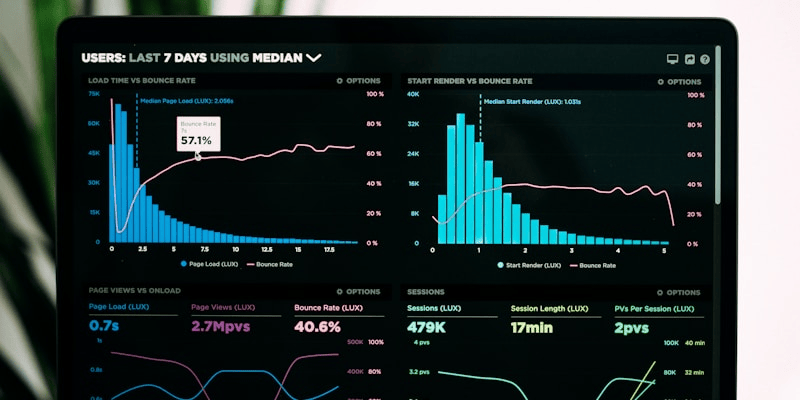
Modern CRM dashboards provide real-time visibility into sales pipelines, customer interactions, and team performance metrics.

Key Features of Leading Construction Project Management Software

In this section

The tangible outcomes that make CRMs indispensable for growing businesses.

Modern construction management platforms enable teams to plan, track, and deliver projects efficiently while meeting regulatory and safety standards. They provide tools for scheduling, document control, collaboration, and performance monitoring that reduce delays and improve accountability across every phase of construction.

Project Planning and Scheduling

Strong project planning tools help managers map out activities, milestones, and dependencies. Many UK construction firms rely on Gantt charts to visualise progress and identify potential bottlenecks early. Scheduling tools integrate resource allocation, cost estimation, and task tracking, ensuring that labour, materials, and equipment stay aligned with project goals.

Platforms such as those listed in Construction Management Software in the UK 2025 often include drag-and-drop interfaces that simplify timeline adjustments. Integration with mobile apps allows site teams to update progress in real time, ensuring the central schedule reflects reality.

Some systems also support critical path analysis, enabling project managers to focus on tasks that most directly affect delivery dates. Automated alerts warn users when timelines slip, allowing early corrective action and better forecasting for stakeholders.

Document Control and Storage

Effective document control prevents costly mistakes from outdated drawings or missing permits. Leading software stores all files—plans, contracts, photos, and inspection reports—in a secure cloud environment with robust version control. Each revision is logged automatically, giving teams confidence that they are working with current information.

The Construction Management Software Buyer’s Guide (UK Edition) highlights that compliance with the UK’s HSE and GDPR standards requires reliable audit trails and controlled access permissions. These tools help meet those requirements by recording changes, sign-offs, and timestamps.

Most solutions include metadata tagging, advanced search, and offline access to improve productivity on‑site. A well‑organised digital library removes the need for paper files and ensures that site managers, engineers, and contractors can retrieve information instantly.

Real-Time Collaboration and Communication Tools

Effective real-time collaboration keeps office and field teams synchronised. Cloud-based systems like those listed on ProjectManager’s top software guide offer built‑in chat, task assignments, and mobile notifications that keep discussions linked to specific projects or documents.

By integrating email threads, instant messaging, and shared dashboards, these tools reduce the risk of miscommunication. Field teams can upload photos or safety reports directly from mobile devices, allowing head offices to respond quickly.

Some platforms also feature role‑based access and user tagging to distribute updates to the right people. This structure avoids information overload while maintaining transparency and traceability across teams.

Reporting and Analytics

Data-driven insights help firms improve performance and manage risk. Leading tools generate custom reports on cost tracking, resource utilisation, and schedule variance. Dashboards summarise daily progress and enable project managers to compare actual metrics with planned benchmarks.

Many UK-focused solutions, such as those reviewed by SoftwareWorld, include automated reporting templates that meet local compliance needs. These reports can be exported in formats suitable for both internal management and external stakeholders.

Built-in analytics visualise trends using charts and tables, helping decision-makers pinpoint inefficiencies or forecast future resource needs. When connected to mobile and field data, reporting modules provide a live view of project health, supporting informed, timely decisions.

Predictable Pipeline & Forecasts
Track deals through defined stages and build forecasts your team can trust.

29% increase in sales revenue

34% shorter sales cycles

Automation of Repetitive Work
Automate routine tasks, freeing up hours for relationship building and closing deals.

2.5 hours saved daily per rep

67% less time on admin tasks

Seamless Team Handoffs
Everyone sees the same customer history, creating smooth professional experiences.

25% customer satisfaction increase

60% fewer escalations

Improved Customer Retention
Track customer health and prompt timely check-ins to reduce churn proactively.

27% customer retention increase

$180K average LTV increase

ROI Multiplier:

While CRMs are often bought for sales, their true value is unlocked when marketing and customer service use the same data. This creates a seamless customer journey that boosts lifetime value.

Data Fragmentation: Customer information scattered across multiple platforms creates gaps in understanding. Sales might not know about recent support issues, while customer service lacks visibility into ongoing deals.

Missed Opportunities: When follow-ups are forgotten or leads fall through cracks, businesses lose revenue. Studies show that companies with organized customer data see higher revenue per sales rep.

Inconsistent Customer Experience: Without centralized information, customers often repeat their stories, eroding trust and satisfaction.

Best Construction Project Management Software in the UK

In this section

A step-by-step guide to selecting the perfect CRM for your specific business needs, ensuring you invest in a tool that grows with you.

Modern construction management tools help teams coordinate complex tasks, track budgets, and communicate efficiently across job sites. Solutions like monday.com, Procore, Fieldwire, and Buildertrend provide cloud-based systems that improve visibility, reduce rework, and support better project outcomes.

monday.com Overview

monday.com gives construction managers a flexible platform to plan, track, and automate project workflows. Its grid-style interface makes it simple to customise boards for scheduling, resource allocation, and progress reporting. Users can view tasks in multiple formats such as Gantt charts, Kanban boards, or timelines to match their working style.

Integration is a core strength. monday.com connects with tools like Outlook, Teams, and Excel, helping teams keep communication centralised. Real-time updates reduce delays caused by manual reporting or data silos.

Security and permissions allow project leads to control who sees budgets or subcontractor details. This makes the software suitable for both small builders and large contractors managing multiple projects. According to industry analyses listed by Software Advice’s project management directory, its ease of use and adaptability are among the most valued features for teams new to digital construction systems.

Procore Overview

Procore offers a full set of tools that bring together project documentation, cost management, and field collaboration. As reported in the Softwaresuggest UK construction management listing, many organisations use Procore to handle everything from contracts to site logs in a single interface.

Key features include digital drawing management, request-for-information (RFI) tracking, and daily reporting. These tools reduce communication gaps between office and site staff. Its cloud system ensures updated documents are accessible on phones, tablets, or desktops, even on remote job sites.

The platform also supports integrations with accounting software to link financial and operational data. Training and 24/7 support help teams get value quickly, while flexible pricing allows scaling by project size. Procore’s use in large projects such as university buildings and office developments shows its reliability for enterprise-level construction management.

Fieldwire for Collaboration

Fieldwire focuses on real-time collaboration between site teams, engineers, and managers. It acts as a digital communication hub where staff can assign tasks, annotate drawings, and track progress directly from their mobile devices. This immediacy helps reduce errors from outdated paper plans.

Fieldwire’s offline access is useful on large UK construction sites with poor connectivity. Workers can still input updates, which sync once the device reconnects to the network. The platform also features version control for drawings, ensuring every team member follows the latest design.

According to reviews referenced in the Forbes guide to the best construction project management software, its user-friendly interface and minimal training requirement make it especially effective for field operations. Built-in reporting functions give managers a clear view of pending tasks and overall project health without manual spreadsheets.

Buildertrend and Residential Construction

Buildertrend specialises in project management for residential construction. It helps contractors manage estimates, client communication, schedules, and selections all from one platform. Through its dashboard, homeowners can track progress and sign off on approvals digitally.

Mobile accessibility stands out as a major benefit. Supervisors can upload photos, view schedules, and communicate changes while on-site. Integration with accounting tools like QuickBooks simplifies invoicing and job costing.

Data from the Softwaresuggest construction software comparison shows Buildertrend’s starting price at £99 per month, appealing to small and mid-sized builders. The platform’s clear interface and focus on client transparency enhance trust and reduce miscommunication.

Key FeatureBenefit for Builders
Client PortalImproves communication and updates
Cost TrackingKeeps budgets on target
Scheduling ToolsCoordinates multiple subcontractors efficiently

Buildertrend’s focus on ease of use and customer engagement makes it an effective solution for home builders seeking efficient, all-in-one construction project management software.

4. Research and Shortlist Vendors: Use comparison sites (like ours!) and reviews to identify 3-5 potential CRM providers that align with your needs and budget. Pay attention to vendors specializing in your industry or business size (e.g., SMBs, enterprise).

5. Run In-Depth Demos and Trials: Never buy a CRM without seeing it in action. Schedule live demos with your top 3 vendors. Involve key team members who will use the software daily. Use a free trial to test your specific workflows and assess ease of use. Does it feel intuitive? Can your team see themselves using it every day? This is the most critical step.

Pro Tip:

The free trial is your most important evaluation tool. Use it to test your actual daily workflows, not just the vendor's canned demo.

Top 3 CRM Tools Compared

Rated by our Expert Panel

9.2 /5

Based on 2,400 reviews

25k+

Trusted readers

HubSpot CRM

9.2 /10

Ease of Use
96%
Integrations
98%
Pricing
85%
Support
95%
Features
97%
Scalability
93%

Verified data from Tech Verifiers Expert Panel

Monday CRM

9.1 /10

Ease of Use
98%
Integrations
92%
Pricing
94%
Support
89%
Features
90%
Scalability
88%

Verified data from Tech Verifiers Expert Panel

Pipedrive

9 /10

Ease of Use
95%
Integrations
88%
Pricing
90%
Support
92%
Features
87%
Scalability
89%

Verified data from Tech Verifiers Expert Panel

Complete CRM Comparison Matrix

Verified by Expert Panel

2025 BENCHMARK

Updated Oct 2025

1,200+ DATA POINTS

25 vendors analyzed

LABS AUDITED

Independent review

Compare
HubSpot

HubSpot

9.4
Monday

Monday

9.1
Pipedrive

Pipedrive

9
Starting Price
£16/moper month
£9/mo per month
£12/mo per month
Ease of Use
9.6/10
9.8/10
9.5/10
Integrations
1,000+ 600+ 400+
Key Features
Automation
CRM + CMS
AI Insights
Boards
Automations
Workflows
Pipeline
Deals
Reports
Support
24/7 Chat & Email 24/7 Chat Email & Chat
Security
GDPR
SSL
SSO
GDPR
SSL
GDPR
SSL
Free Trial
14 days 14 days 14 days
Free Plan
Ideal For
All-in-one teams
Visual Sales
Sales Teams
Get Started

Monday CRM

Automation & Sales Management Platform

9.2/10 (2,400 reviews)

Verified by 3 Tech Verifiers Experts

Last audit: October 2025

14-Day Free Trial

No Credit Card Needed

Use Cases: Contractors, Subcontractors, and Project Teams

In this section

From data migration to team training, here's how to ensure a smooth CRM rollout and achieve rapid user adoption.

Construction workers and project team members collaborating on a building site with cranes and scaffolding in the background.

Construction management software supports many roles in the UK industry. It helps improve compliance, communication, and coordination between contractors, subcontractors, and teams across multiple sites. The right systems increase project visibility, reduce paperwork, and improve delivery times.

General Contractors

General contractors manage the overall project scope, budgets, and schedules. They rely on software that links planning, document management, and site control in one place. Tools like ProjectManager and SmartSuite provide dashboards, task tracking, and resource allocation for real-time performance monitoring.

By digitising communications, general contractors can quickly share design updates, manage forecasts, and track compliance records. Reporting tools also generate instant progress insights for clients and stakeholders.

A typical setup includes:

FunctionBenefit
Project SchedulingKeeps all trades aligned on deadlines
Document ControlEnsures updated plans reach the right teams
Budget TrackingDetects cost overruns early

This creates a clearer view of site progress and improves accountability across contractors and suppliers.

Subcontractors in Specialist Trades

Subcontractors work in areas such as electrical, plumbing, or steel fabrication. Managing compliance and document sharing across several clients can be difficult. Platforms like Boxcore let UK subcontractors upload CSCS cards, insurance certificates, and RAMS once and share them securely across projects.

Digital systems reduce duplicated admin work and ensure that only compliant workers are allowed on site. They also give subcontractors real-time visibility of project updates, safety requirements, and access approvals.

Essential features include:

  • Mobile document upload for field teams
  • Instant compliance verification for faster onboarding
  • Real-time attendance tracking linked to valid credentials

This approach helps subcontractors stay compliant with UK safety standards while improving the reliability of site records.

Contractor Foreman: Simplicity and Integration

Many small and mid-sized contractors use all-in-one systems like Contractor Foreman to manage cost tracking, scheduling, safety checks, and communication. It integrates essential functions without needing third-party tools, reducing both training time and software costs.

The platform simplifies administrative work by connecting field data with project budgets and compliance records. Teams can record daily logs, photos, and progress notes directly from mobile devices.

Its main advantages include:

  • Ease of use with fast setup and minimal training
  • Mobile-first design for on-site updates
  • Integration with estimating, accounting, and reporting modules

This straightforward design enables contractors to manage multiple projects efficiently and maintain consistent documentation across their workforce.

Success Principle:

The "Crawl, Walk, Run" approach prevents overwhelming your team and increases long-term adoption by focusing on value from day one.

4. Invest in Comprehensive Training: Proper training is non-negotiable. It should be tailored to different roles (sales reps, managers, admins). Combine formal training sessions with on-demand resources like video tutorials and documentation.

5. Focus on User Adoption: The best CRM is the one your team actually uses. Make it easy to use, integrate it with their existing tools (like email), and clearly communicate the “what’s in it for me” for each team member. Lead by example—if managers use the CRM daily, the team will follow.

Selecting the Right Construction Project Management Software for Your UK Business

In this section

From data migration to team training, here's how to ensure a smooth CRM rollout and achieve rapid user adoption.

Choosing software for construction project management requires understanding how technology supports project tracking, compliance, and communication. The right platform helps teams control costs, improve visibility, and manage resources effectively across multiple job sites.

Factors to Consider When Choosing Software

When evaluating construction management platforms, decision-makers should look at core project management functions, including task scheduling, cost tracking, and reporting. A clear interface that supports both desktop and mobile access improves real-time updates for on-site and office staff.

Integration and compliance are also key. A system that handles HSE standardsCSCS verification, and data protection requirements helps firms maintain UK regulatory alignment. The Construction Management Software Buyer’s Guide (UK Edition) highlights tools that support digital safety briefings, worker competency tracking, and secure record-keeping.

Effective client communication tools further add value by centralising updates, document sharing, and approvals. This reduces misunderstandings between teams and clients, keeping projects on schedule and within scope. When compared with older paper workflows, cloud-based systems offer faster collaboration and reduced administrative overhead.

Customisation and Scalability

Every construction firm has different needs depending on its size, project type, and structure. Selecting software with flexible customisation settings allows teams to tailor dashboards, permissions, and workflows without complex programming. This adaptability helps firms manage local projects and expand to larger or multi-site operations.

Scalable solutions grow with the business. Systems that can handle multiple users, varied access levels, and external contractor integration ensure long-term use. Many top-rated systems, such as those listed in the 20 Best Construction Management Software in UK (Nov 2025) comparison, provide modular features businesses can add as their operation expands.

Key scalability features:

FeatureBenefit
Multi-project supportManage several sites from one dashboard
API integrationsConnect with payroll, design, or accounting tools
Cloud deploymentEnable real-time access across teams

Implementation Best Practices

Successful implementation depends on planning and team engagement. Businesses should start with a pilot phase that covers one or two active projects to test configuration and gather feedback.

Training improves adoption. Ensuring project managers, site supervisors, and accountants understand key functions prevents delays and errors once live. The Best Construction Project Management Software – Forbes review notes that proper onboarding reduces data loss and speeds up transition to full digital workflows.

A dedicated implementation checklist helps maintain structure:

  1. Set clear goals and timelines.
  2. Import legacy data accurately.
  3. Define permissions for each role.
  4. Monitor early setbacks and adjust settings.

With consistent use, digital project management enables better resource allocation, real-time reporting, and stronger client visibility across all stages of construction.

Success Principle:

The "Crawl, Walk, Run" approach prevents overwhelming your team and increases long-term adoption by focusing on value from day one.

4. Invest in Comprehensive Training: Proper training is non-negotiable. It should be tailored to different roles (sales reps, managers, admins). Combine formal training sessions with on-demand resources like video tutorials and documentation.

5. Focus on User Adoption: The best CRM is the one your team actually uses. Make it easy to use, integrate it with their existing tools (like email), and clearly communicate the “what’s in it for me” for each team member. Lead by example—if managers use the CRM daily, the team will follow.

FAQs

In this section

Quick answers to the most common CRM questions.

  What does construction project management software actually do?

It centralises plans, budgets, documents, and communication so everyone works from the same live version of the project, reducing delays, errors, and duplicated work.

Cloud-based suits most UK contractors because it’s cheaper upfront, easy to scale, and accessible on site; on-premises is mainly for large organisations that need full in-house control over data.

It keeps RAMS, permits, inspections, and training records in one auditable system, helping firms prove HSE, CSCS, and GDPR compliance and ensure only authorised workers are allowed on site.

Prioritise integrations with accounting (e.g. Xero, Sage), document storage, mobile apps, and digital signatures so costs, drawings, approvals, and site updates all sync automatically without manual re-entry.

Top Project Management Companies

9.0

ClickUp

Focuses purely on pipeline management.

9.6

Monday.com

 a visual platform for managing all your team’s work in one place

9.7

Pipedrive

The enterprise standard for large, complex teams.

Explore More Expert-Verified Articles

Curated reads to deepen your understanding and compare tools side by side.

Top Website Builders for 2025 — Performance and Pricing

Real-world data on Shopify, Wix & Squarespace efficiency.

6.8k readers this month

How to Evaluate CRM Integrations Before Migrating

The key questions every team should ask before switching.

Expert verified

Project Management Tools: Features That Actually Matter

Beyond the hype — what features drive real productivity gains.

4.2k readers this month

HubSpot vs Salesforce: Which CRM Wins in 2025?

Side-by-side comparison with real user data and ROI analysis.

Editor's pick

The Hidden Costs of SaaS: What Vendors Don't Tell You

Uncover the real TCO with our expert framework.

8.1k readers this month

Building Your First Tech Stack: A Step-by-Step Guide

From zero to fully integrated — the practical playbook.

Beginner friendly

Get Data-Driven SaaS Insights That Actually Drive Growth

Join 50,000+ professionals reading weekly insights for smarter decisions.
Trusted by leaders at HubSpot, Notion & Pipedrive
You can unsubscribe anytime. We never share your data.
Best CRM Software Companies
Ultimate CRM Comparison Matrix
50+ CRM tools analyzed across 15 key criteria
Save 40+ hours of research with our comprehensive CRM comparison spreadsheet. Includes pricing, features, integrations, and expert scores.

Get Instant Access

Enter your email and we’ll send you the download link immediately.
Your email is 100% secure. No spam, ever. Unsubscribe with one click.
Trusted by professionals at: